

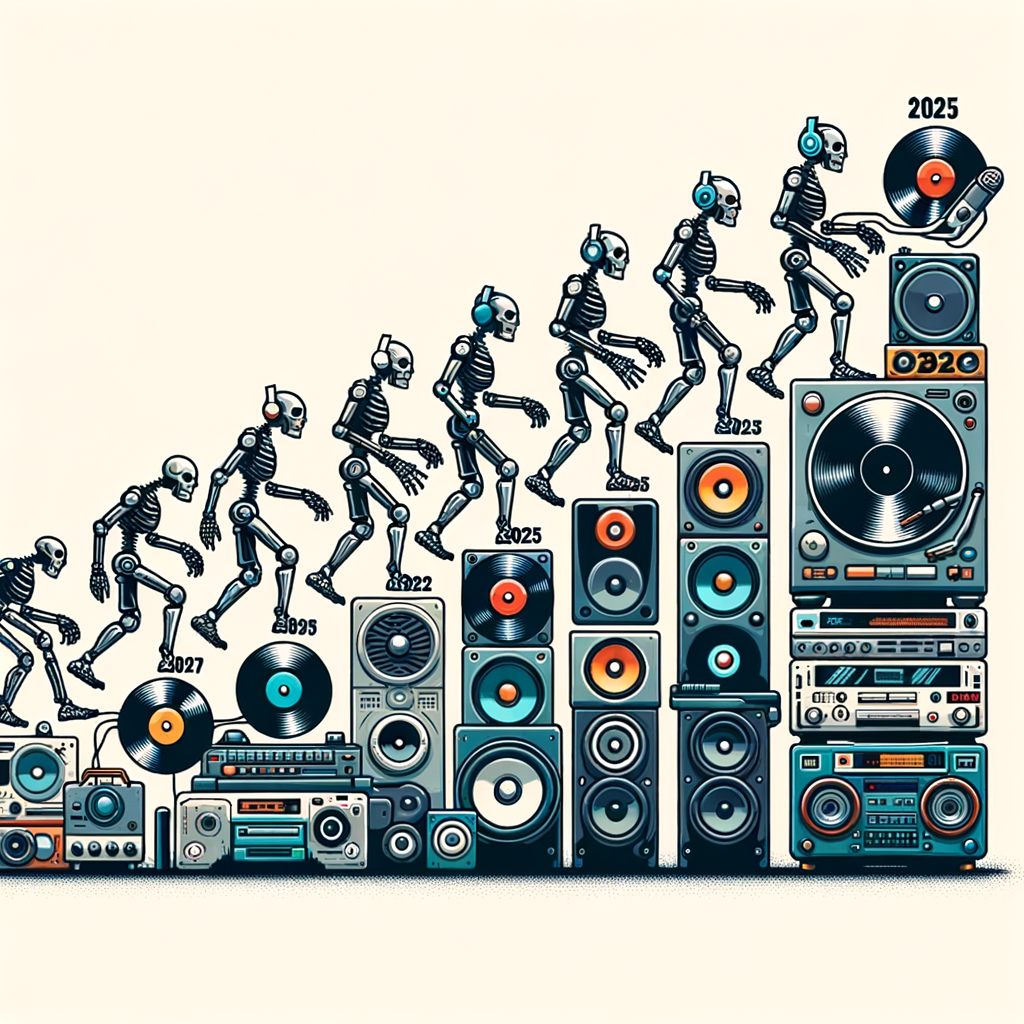
Country music has evolved significantly from its traditional roots in folk, blues, & Appalachian music to embrace a wide range of modern influences. The early sound, characterized by heartfelt storytelling & simple instrumentation, transformed in the mid-20th century with the incorporation of rock, pop, & even hip-hop elements. Artists like Dolly Parton & Johnny Cash laid the groundwork, while contemporary stars such as Kacey Musgraves & Lil Nas X showcase the genre’s versatility. Today, country music reflects diverse themes & sounds, appealing to broader audiences while staying true to its storytelling heritage.
The Evolution of Country Music: From Traditional Roots to Modern Sounds. Explore the journey of country music, tracing its traditional roots to today’s vibrant sounds. Discover how this genre has evolved & continues to grow!

The Evolution of Country Music: From Roots to Modern Hits
The Evolution of Country Music: From Traditional Roots to Modern Sounds
Origins of Country Music
Country music has deep roots that trace back to the early 20th century. It emerged in the southern United States, deeply influenced by traditional folk music. Instruments like the fiddle, banjo, & guitar played a significant role. Early country music was characterized by its storytelling, often reflecting the struggles & triumphs of rural life. Artists like Jimmie Rodgers & the Carter Family pioneered this sound, blending elements from various genres. Blues, jazz, & gospel all influenced early country music. This fusion created a distinct sound that resonated with many. The simplicity of country music made it accessible, drawing in listeners from diverse backgrounds. The term “country music” became popular in the 1940s. Before that, it wasn’t clearly defined as a genre. Music from Appalachia, with its traditional ballads & dance tunes, formed the backbone. As it spread through radio & records, country music gained a broader audience.
The Grand Ole Opry, established in 1925, became a key platform for country artists. This radio show showcased country music, helping to legitimize it as a popular genre. During this era, it started to evolve into recognizable styles, paving the way for future developments. By incorporating various influences, country music started to branch out. Traditional roots remained, but new elements emerged. This blend helped shape the genre in years to come, setting the stage for the evolution of country music.
| Year | Significant Event |
|---|---|
| 1925 | First broadcast of the Grand Ole Opry |
| 1940s | Term “country music” becomes popular |
| 1950s | Introduction of honky-tonk style |
Traditional Sounds & Influences
Traditional country music features specific instrumental & stylistic elements. Many artists from this period were influenced by folk traditions. The banjo, fiddle, & harmonica became essential in constructing the sound. These instruments gave country its unique timbre & appeal. Themes explored in traditional songs often included love, heartbreak, & daily life. Iconic artists like Hank Williams & Patsy Cline perfectly captured the essence of this music. Their storytelling abilities resonated with listeners. Songs often depicted relatable human experiences, making them timeless. On top of that, bluegrass emerged from traditional country music.
It focused on acoustic instruments & showcased virtuosic musicianship. Bill Monroe, known as the “father of bluegrass,” was pivotal in promoting this style. The genre blended traditional country tunes with jazz elements, creating a fresh sound. Honky-tonk music also became prominent during this period. It featured a more upbeat tempo & themes focused on nightlife & relationships. Artists like Lefty Frizzell contributed significantly to this style. The honky-tonk sound influenced later sub-genres of country music, emphasizing rhythm & storytelling. Traditional country music set the groundwork for future innovations. These influences shaped the next generation of artists, who began to experiment with sound & themes. This groundwork paved the way for the evolution of country music, leading into a new era.
- Key instruments in traditional country music:
- Banjo
- Fiddle
- Guitar
- Harmonica
The Rise of Honky-Tonk & Bluegrass
Honky-tonk music gained popularity during the 1940s & 1950s. This lively style represented a more urban approach to country music. It often featured honky-tonk bars as its primary venues. The music’s lively beat got people dancing, making it a favorite in nightlife scenes. The lyrics frequently explored themes of heartbreak, drinking, & life’s challenges. Artists like George Jones & Tammy Wynette became icons of this style. Their songs resonated with many who faced similar struggles in life. Bluegrass, contrastingly, emphasized acoustic instruments & tight harmonies.
Bill Monroe led the charge in the bluegrass movement. He created a sound characterized by intricate melodies & virtuosic instrumentals. This style appealed to listeners wanting to reconnect with traditional roots. Bluegrass festivals emerged, attracting fans nationwide. Musicians gathered to celebrate this genre, fostering a sense of community. Acts like the Stanley Brothers & the Osborne Brothers helped popularize this style further. The interplay between honky-tonk & bluegrass showcased country music’s versatility. As artists embraced these styles, they laid the groundwork for future developments. The ongoing evolution continued to broaden the genre, influencing countless musicians.
| Artist | Contribution |
|---|---|
| George Jones | Defined honky-tonk sound with heartfelt lyrics |
| Bill Monroe | Father of bluegrass; introduced new instrumentation |
| Tammy Wynette | Icon of female honky-tonk artists |
The 1960s & the Nashville Sound
The 1960s ushered in a major shift in country music. The Nashville Sound emerged, characterized by polished production & smoother vocals. This approach aimed to appeal to a broader, more mainstream audience. Producer Chet Atkins was pivotal in developing this new sound. The Nashville Sound blended elements of pop, showcasing the genre’s flexibility. Artists such as Patsy Cline & Jim Reeves represented this change. Their music featured lush arrangements & orchestration, expanding the genre’s appeal. Lyrics during this era often focused on themes of love & heartache. They captured romantic sentiments that resonated widely. The songs reached far beyond traditional country fans, garnering national hits. This growth led to increased radio play & record sales for country music. On top of that, the 1960s fostered a sense of identity in country music. Artists began embracing lyrical complexity, making their songs relatable. Fans connected with the sincerity of the music, creating a lasting bond.
This era helped cement country music as a significant genre in popular music. Although the Nashville Sound was commercially successful, some artists resisted. They sought to preserve raw, traditional sounds. This led to the development of the Outlaw Country movement, which emphasized authenticity. Artists like Willie Nelson & Waylon Jennings became pioneers of this style. They showcased a return to roots while maintaining contemporary elements.
- Key features of the Nashville Sound:
- Smooth vocals
- Polished production
- Blend of pop elements
Outlaw Country & the 1970s
The 1970s brought forth the Outlaw Country movement. This genre emerged as a rebellion against the polished Nashville Sound. Artists began expressing their authentic selves & storytelling through their music. They often embraced rugged lifestyles, relatable experiences, & pride in their roots. Willie Nelson & Waylon Jennings became leaders of this movement. Their songs highlighted personal narratives, often reflecting struggles & triumphs. The gritty sound resonated with listeners seeking authenticity. Their influence encouraged many artists to embrace a more raw approach to country music. Outlaw Country incorporated elements of rock & folk. This fusion expanded the genre’s reach & engagement. Musicians explored various sounds while remaining grounded in country traditions. The movement opened doors for newcomers & brought fresh perspectives. On top of that, women in country music also gained prominence during this era. Artists like Loretta Lynn & Dolly Parton showcased profound songwriting & strong identities.
They tackled themes of femininity & empowerment, reaching wide audiences. Their contributions helped reshape the landscape of country music, influencing generations. The Outlaw movement’s impact remains evident in modern country music. Its emphasis on authenticity & personal storytelling continues to inspire artists. As a result, Outlaw Country played a crucial role in shaping the evolution of country music.
| Artist | Signature Song |
|---|---|
| Willie Nelson | “On the Road Again” |
| Waylon Jennings | “Luckenbach, Texas” |
| Dolly Parton | “Jolene” |
Contemporary & Bro-Country Trends
The late 20th & early 21st centuries brought new trends in country music. The rise of Bro-Country dominated the charts. This sub-genre incorporated elements of hip-hop & pop. Artists like Florida Georgia Line & Luke Bryan gained immense popularity. Their catchy tunes & party-centric themes attracted a wide audience. Bro-Country lyrics frequently center around themes of partying, romance, & rural life. This focus on relatable, feel-good themes connects with younger listeners. The sound often features upbeat tempos & infectious melodies, making it radio-friendly. Despite its commercial success, Bro-Country received mixed reactions. Critics argued it strayed too far from traditional roots. Some purists felt it lacked the emotional depth characteristic of earlier country music. This sparked debates about the future & authenticity of the genre.
Meanwhile, contemporary artists began blending genres, pushing boundaries. Kacey Musgraves & Maren Morris infuse elements of pop & rock into their music. Their lyrical themes cover various topics beyond traditional narratives. They address modern relationships, social issues, & personal journeys. The impact of technology also transformed how country music is consumed. Streaming platforms & social media reshaped artist-audience interactions. Musicians now connect directly with fans, leading to diverse influences & sounds. Online platforms gave rise to independent artists, promoting unique voices within the genre. Contemporary trends highlight the evolution of country music. As artists explore fresh sounds, the genre continues to thrive. New sub-genres & styles keep attracting diverse audiences. This evolution ensures country music remains relevant & exciting.
- Characteristics of Bro-Country:
- Upbeat tempos
- Party themes
- Blend of pop & hip-hop influences
Influence of Technology on Country Music
Technology profoundly shaped the landscape of country music. Advancements in recording & production techniques enhanced sound quality. Digital platforms revolutionized how music is shared & consumed. This evolution allowed artists to connect with fans on a deeper level. Social media platforms became essential tools for promotion. Artists use these channels to share their music & insights. This direct engagement creates a community around their work. Fans feel more connected, fostering loyalty & enthusiasm. Streaming services also played a critical role in distribution. They offered new opportunities to independent artists, allowing them to showcase their talent.
This accessibility democratized the industry, leading to diverse influences in country music. On top of that, technology facilitated collaboration across genres. Artists now work with musicians from different backgrounds & styles. This openness enhances creativity, leading to rich, unique sounds. The blending of influences evolves the genre continuously. Be that as it may, not all impacts are positive. The ease of access sometimes contributes to oversaturation. Many songs can flood playlists, making it hard for artists to stand out. This challenge pushes musicians to innovate, keeping the audience engaged. In summary, technology continues to influence the evolution of country music. As artists embrace these changes, the genre adapts & flourishes. The possibilities for growth & creativity are limitless in this modern era.
“Country music evolves just like the world around us.” – Sam Hunt
The Future of Country Music
The future of country music looks vibrant & promising. As artists continue to experiment, we can expect exciting developments. Traditional sounds will merge with innovative styles, creating fresh experiences. This evolution ensures that the genre remains relevant. Emerging artists are breaking boundaries & challenging norms. Genres like pop, rock, & hip-hop will continue to influence country music. Diverse themes, storytelling styles, & musical arrangements will enrich the genre. This trend attracts new fans while keeping existing ones engaged. And another thing, the role of technology will remain significant. Artists will leverage digital platforms for better engagement. They will explore new ways to connect, promote, & distribute their music.
This approach will likely enhance creativity & collaboration across artistic borders. As inclusivity grows in the industry, audiences can expect a wider range of voices. Marginalized communities are beginning to gain recognition. Their contributions will increase, promoting diversity within country music. And don’t forget, the resurgence of classic themes in contemporary music may lead to a revival of interest in traditional sounds. The appreciation for authenticity & storytelling could inspire new generations of artists. These roots will be essential as country music transforms. In essence, the future of country music is filled with potential. The genre will continue to evolve, bridging the gap between tradition & modernity. The vibrant, diverse landscape will ensure that country music delights listeners for years to come.
- Expectations for the future of country music:
- Increased genre blending
- Greater diversity in storytelling
- Continued technological innovation

What are the roots of country music?
Country music has its origins in the folk music traditions of the southern United States, particularly in the Appalachian region. Its roots are influenced by a mix of Anglo-American & African-American musical styles, incorporating elements such as ballads, fiddle tunes, & storytelling.
How did country music evolve over the years?
Country music has undergone significant evolution since its inception in the early 20th century. Initially rooted in traditional folk sounds, it gradually incorporated elements from blues, jazz, & rock & roll, leading to diverse sub-genres such as bluegrass, honky-tonk, & contemporary country-pop.
Who are some of the pioneers of country music?
Key figures in the early development of country music include the Carter Family, Jimmie Rodgers, & Hank Williams. These artists laid the groundwork for what would become a rich & varied genre, influencing generations of musicians.
What defines modern country music?
Modern country music often blends traditional country elements with pop, rock, & hip-hop influences. It is characterized by polished production, relatable lyrics, & catchy melodies, making it appealing to a broader audience.
How has technology impacted country music?
Technology has transformed the production & distribution of country music. Advances in recording techniques, the rise of digital streaming platforms, & social media have allowed artists to reach wider audiences & collaborate more easily, influencing the sound & style of contemporary country music.
What role do storytelling & lyrics play in country music?
Storytelling is a cornerstone of country music, with lyrics often focusing on themes of love, heartbreak, life experiences, & cultural identity. This narrative-driven approach resonates strongly with listeners, making country songs relatable & memorable.
Are there regional variations in country music?
Yes, regional variations in country music reflect the diverse cultural influences across the United States. From the bluegrass sound of Appalachia to the western swing of Texas, each region has its unique style & traditions that contribute to the overall genre.
What is the role of country music festivals?
Country music festivals play a vital role in celebrating the genre & bringing fans together. They showcase a mix of established stars & emerging artists, providing opportunities for networking & collaboration while also fostering a sense of community among country music enthusiasts.
How does country music address social issues?
Many country artists use their platform to address social issues through their music. Topics such as poverty, mental health, & social justice are often woven into the lyrics, reflecting the genre’s deep connection to real-life experiences & challenges faced by individuals & communities.

Conclusion
Country music has come a long way, blending its traditional roots with modern sounds. It started with heartfelt stories & simple instruments, capturing everyday life. Over time, it welcomed influences from rock, pop, & even hip-hop, creating a vibrant mix. Today’s artists celebrate this rich history while pushing creative boundaries. Fans enjoy everything from classic ballads to upbeat, danceable tracks. As country music continues to evolve, it stays true to its core: telling stories & connecting people. Whether you love the old-school or the new, there’s something for everyone in this dynamic genre. Let’s keep enjoying the journey!

Leave a Reply