

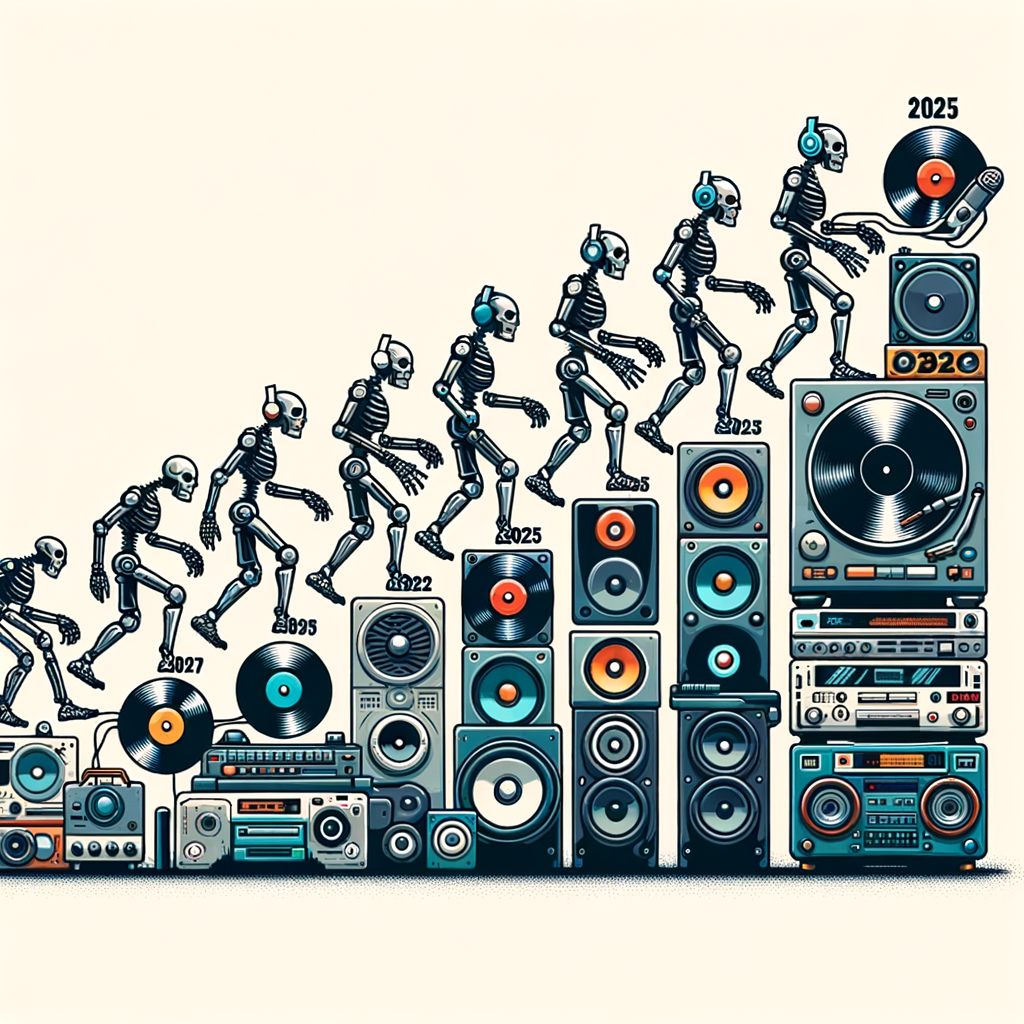
This industry has changed over the last decades, and independent music is beginning to emerge. This represents a new creative and emancipative age. Such artists are no longer tied in with the old models of the record labels. For the first time in human history, they have all the tools and platforms fitted with all the faculties for self-creating, distributing, and marketing. This has become a breeding ground for innovation and variety, which human imagination could hardly conceive until now.
Characteristics of Independent Music
Artist Autonomy: In independent art, artists own the rights to composition, production, and brand definition.
Genre: It needs to be more specific since indie music can be folk, rock, electronic, or hip-hop.
DIY Culture: Most indie artists are DIYers since they record, market, and tour for themselves.
Direct-to-Fan Connections: Indies are close to fans due to the use of social media, concerts, and direct contact.
The History of Indie Music
Early Period
Independent music’s roots date back to the middle of the 20th century when small independent record labels started growing sceptical about the dominance of the major players, and most reports indicate this. Some of the most known labels, such as Sun Records and Motown Records, specializing in African American artists, propagate diversity in the music landscapes.
How Technology Was Invaded During The Emergence Of Indie
The Digital Revolution
This happens when the democratization of music production starts due to the introduction of the Internet and other digital technologies during the late 20th century. The following are a few among many such instances.
Recording equipment: Since home recording equipment is quite good, today’s independent musicians can now reach the professional recording range.
Digital Distribution: These can be done through iTunes, Bandcamp and CD Baby. A person now gets access to their music at a global level and does not need to ask for a record label requirement to get that.
Social media and marketing
These platforms, like Instagram, TikTok, and YouTube, are much more efficient for outreach to independent audiences. Viral videos and grassroots campaigns supported building a platform for independent artists that sometimes reached millions: crowdfunding and fan support.
For example, Kickstarter and Patreon, among other sites, allow independent artists to raise funds directly from their fans to run projects. The system has enabled the community to give complete control over an artist’s creativity.
Independent Music and Cultural Impact
Breaking the Barriers
Independent music has permeated most walls, culture, language, and geography. Independent channels have been successful in allowing other background musicians the opportunities to express themselves and hence bring a special flavor unique in its form to enrich the global arena of music.
Voice for the voiceless

In doing so, the indie movement carved out its space by being a compelling voice for voiceless communities and genres while seldom getting mainstream attention through media. Lo-fi hip-hop, feminist punk, Indigenous folk music, and whatnot are variegated in that show.
Redrawing Success
Independent artists alter the meaning attached to what has become successful in the music business. Of course, commercial success enters the industry in terms of chart rankings and sales. Yet these independent artists rely more on artistic fulfilment, connection to their audience, and authenticity.
Economic Implication of Independent Music
Revenue of Independent Artists
An independent artist generates more revenue through various means, among them;
Streaming Royalties have been called evil, but they are achievable and available worldwide.
Merchandise Sales: In this case, the artists sell merchandise. Such merchandise may include clothing, posters, and vinyl records to supplement their collection.
Live Events: Concerts are among the highest-earning major industries because they help indie artists gain mass media support and fan support.
Direct Artist Support: Artists sell music directly to fans through Bandcamp, where the most popular model is a “pay-what-you-want” model.
Challenges in Monetizing
Independent artists need help with monetization. Some significant issues include market saturation, low advertising budgets, and playing multiple roles—the creator and the entrepreneur.
Independent Artists Case Studies and Success Stories
Chance the Rapper
He is an independent success in hip-hop. The man made his music free and has many followers, even winning multiple Grammy Awards, not signed to a major label. He uses his social media to advertise his work.
Billie Eilish
But in the end, while she may have to run with a major, there is indie sensibility in Billie Eilish’s bones, and the big single “Ocean Eyes” found its way onto SoundCloud. Kind of ethos and a collaboration relation with brother Finneas also belong to an indie music sensibility. This is Tame Impala:
Tame Impala is the work of Australian musician Kevin Parker, who was brought to the world level owing to his indie origins. Kevin is a multi-instrumentalist and self-produces all his albums; in that regard, he can be referred to as the modern psychedelic rock pioneer.
Future Innovations in Technology Independent Music
- Independent music culture will soon experience a shift in its sense, based on new technologies like blockchain and NFTs, promising much higher transparency in royalty sharing among artists and innovative sources of revenue for them.
- This process has increasingly independent artists of various genres and cultures coming together to create a vibrant tapestry of global music. Such a network of platforms and communities allows this solidarity among musicians to find expression through their connections.
Sustainability and Ethics
This brings the independence of music to its ethics and sustainability. Ecotouring to equitable revenue sharing, independent artists and labels lead efforts toward responsible business in the music world.
Conclusion
This revolutionizes the music world for independent artists; possessing technology, creativity, and a supporting community means an independent artist can be liberated from that paradigm to define his concept of success. With all that, the formula for further development of the indie movement inspires new waves of artists and public audiences, proving that the power is in the music because of links, innovation, and resonance. Independent music seems bright at the prospect of significant and long-lasting impacts on industry and cultural areas.
Read more about here: Music and Emotion: How Sound Affects Our Feelings

Leave a Reply